Benefits of Infrared Rejection (IR) Window Tint for Los Angeles Heat
How IR-blocking ceramic films transform your driving experience in extreme Southern California heat
Window tint isn't just about privacy—infrared rejection technology addresses one of the most uncomfortable and expensive aspects of driving in North Hollywood and the San Fernando Valley. When you understand how IR films work and why they're engineered to block specific wavelengths of solar energy, you'll see why they're essential for vehicle protection and personal comfort.
What is Infrared Rejection (IR) in Window Tint?
The sun's energy arrives at Earth across a spectrum of wavelengths. Most people know about UV (ultraviolet) rays, which cause sunburn and skin damage. But the full story of solar heat involves three distinct categories: UV light (4%), visible light (39%), and infrared radiation (57%).
Infrared rays are the primary culprit behind that intense burning sensation you feel on your skin while driving, even with a closed window. These invisible rays penetrate glass easily and convert to heat when they contact interior surfaces. The "baking" effect in your car—where the steering wheel becomes too hot to touch—is almost entirely caused by infrared energy, not visible light.
This is where IR rejection window tint makes the difference. High-performance IR films use ceramic nanoparticles embedded in multiple layers to block infrared wavelengths while remaining optically clear. Unlike early metallic films, modern ceramic IR tints don't interfere with cell signals or GPS and maintain visibility without the dark appearance of traditional tints.
The metric that matters most is Total Solar Energy Rejection (TSER), which measures how much of the full solar spectrum—UV, visible, and infrared combined—a film rejects. A typical ceramic IR film achieves 50-65% TSER, with premium options reaching 80%+ on rear and side windows.
Why IR Rejection is Essential for San Fernando Valley Summers
North Hollywood summers routinely exceed 100°F, pushing vehicles into extreme thermal conditions. A car parked in direct sun can reach 180°F inside within 30 minutes. When you're driving, the combination of exterior heat and interior solar gain creates an uncomfortable environment that forces your HVAC system to work at maximum capacity.
Installing premium IR rejection film can reduce interior cabin temperatures by up to 30°F compared to unprotected glass. This dramatic temperature reduction directly translates to improved fuel efficiency—your air conditioning doesn't have to run as hard or as long. For electric vehicle owners, the benefits are even more dramatic: reduced HVAC load extends driving range by 5-15%, a meaningful difference on long freeway stretches.
Beyond comfort and efficiency, IR rejection protects your vehicle's interior. Leather seats degrade and crack under prolonged heat exposure. Dashboard materials fade and become brittle. Custom stereo systems and electronics suffer from heat stress. Luxury vehicle interiors—especially high-end leather and wood trim—represent significant value that heat damage can undermine within just a few years.
For businesses with vehicle fleets, professional appearance matters. A fleet of Tesla Model 3s or luxury SUVs with deteriorated interiors signals poor maintenance to clients. IR tint investment is a strategic choice that protects asset value while improving driver safety and comfort.
IR Tint vs. Traditional Ceramic: Is it Worth the Investment?
Standard ceramic tint provides UV protection and some heat rejection, but it doesn't specifically target infrared wavelengths. The real distinction is in engineering: IR-optimized films use a multi-layer stack where each layer is designed to reflect or absorb specific wavelengths of infrared energy, while remaining transparent to visible light.
This precision engineering allows manufacturers to create clear films that reject nearly as much heat as dark tints. A windshield-compliant clear IR film (visible light transmission 70%+) can reject 50%+ of total solar energy while remaining completely legal and maintaining visibility. This is impossible with traditional tint chemistry alone.
Cost comparison: Basic ceramic tint typically runs $150-300 per car. Premium IR films cost $400-800. The price premium reflects the advanced materials and application expertise required. But the ROI calculation is compelling:
- • Fuel savings from reduced AC load: 10-15% efficiency gain = $600-1,200/year depending on driving volume
- • Interior protection: Avoiding leather replacement ($2,000+) and dashboard fade significantly extends vehicle lifespan
- • Health benefit: Reduced skin damage from UV and infrared—equivalent to years of sun protection
- • Resale value: Well-maintained interior condition is a major selling point for luxury vehicles
Premium IR films pay for themselves in 6-12 months of fuel savings alone in the Southern California climate, and provide decades of interior protection.
Our Recent Work
Professional Window Tinting Services by Autograff Tints
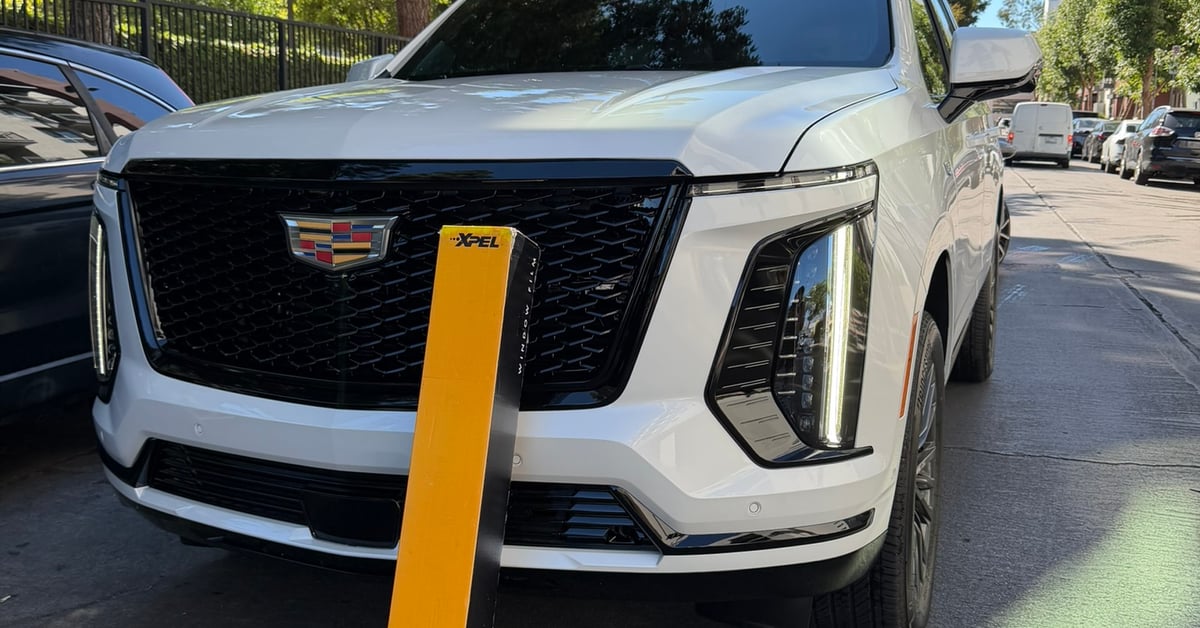
White Cadillac Escalade XPEL PPF Installation
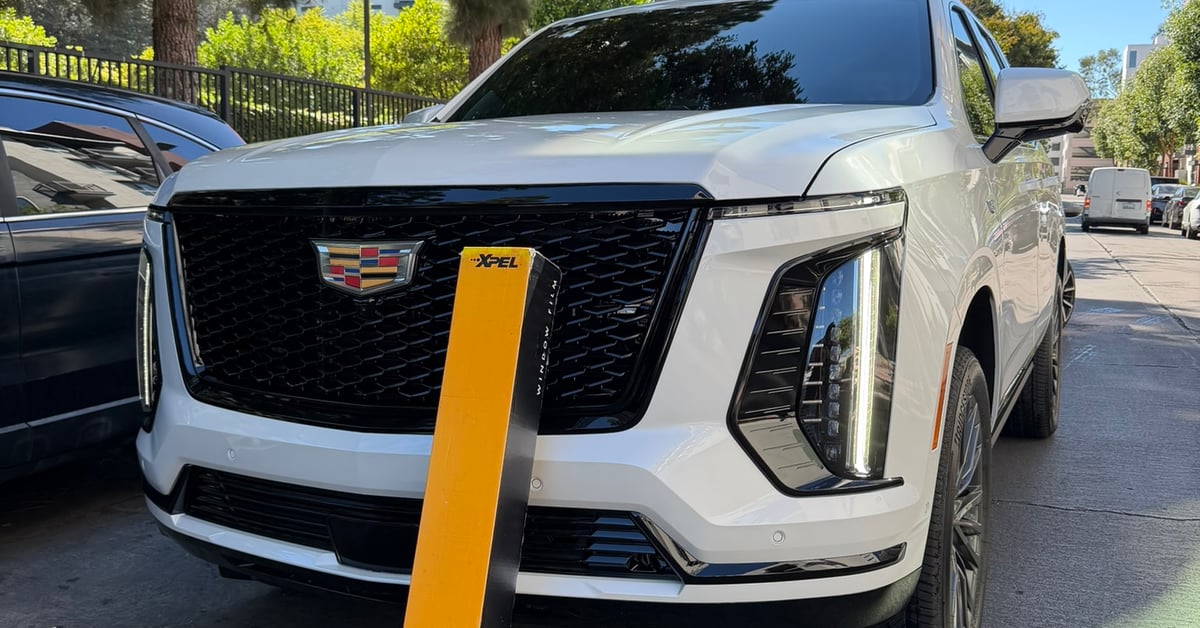
Professional Cadillac Escalade Window Tinting Los Angeles
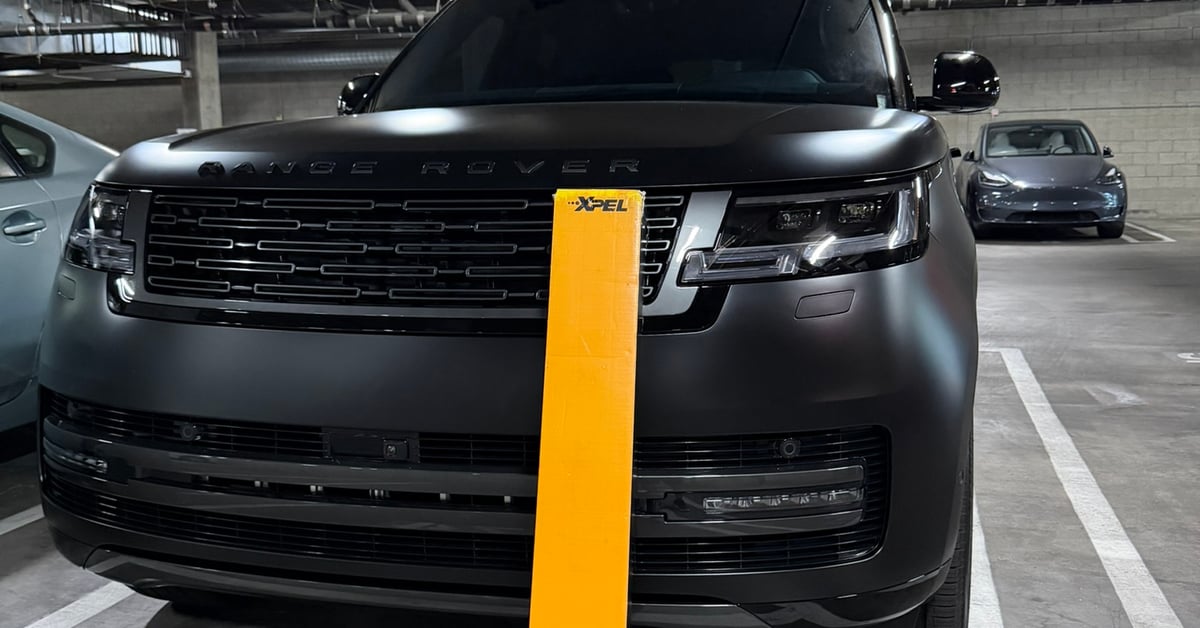
Matte Black Range Rover XPEL Protection
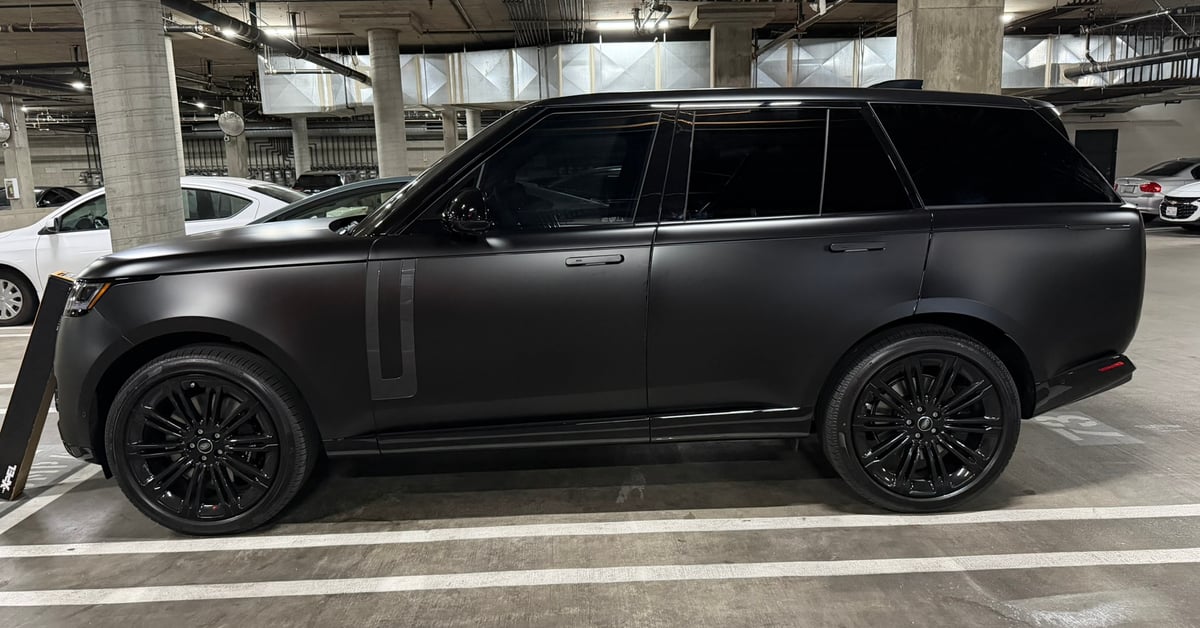
Matte Black Range Rover PPF Wrap Los Angeles
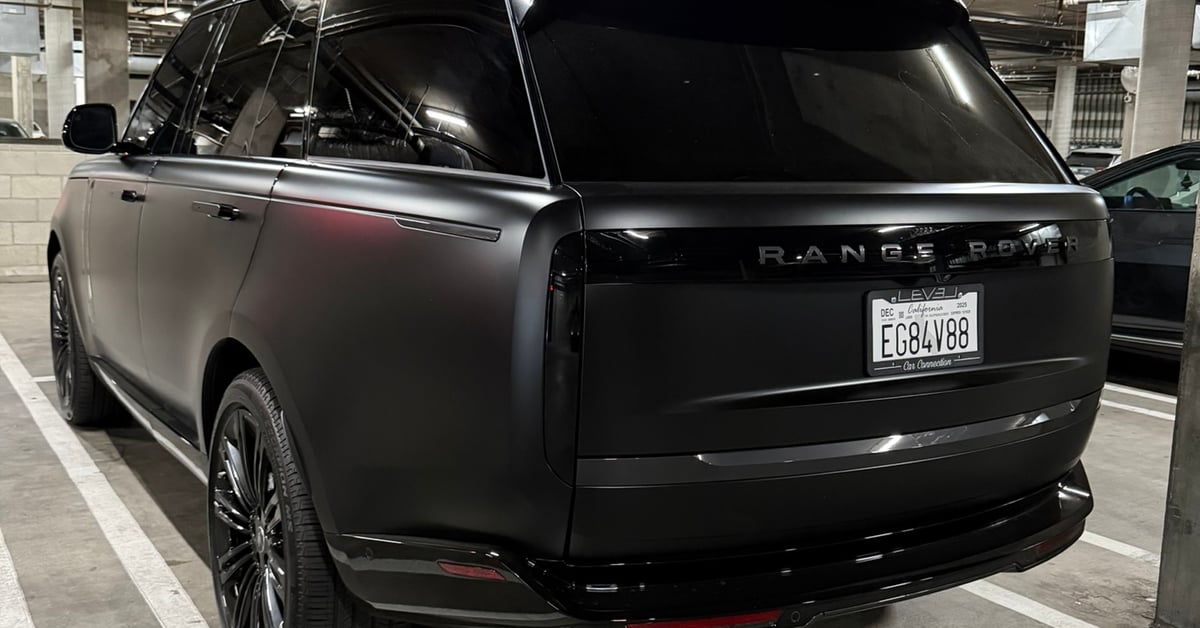
Matte Black Range Rover Wrap Los Angeles
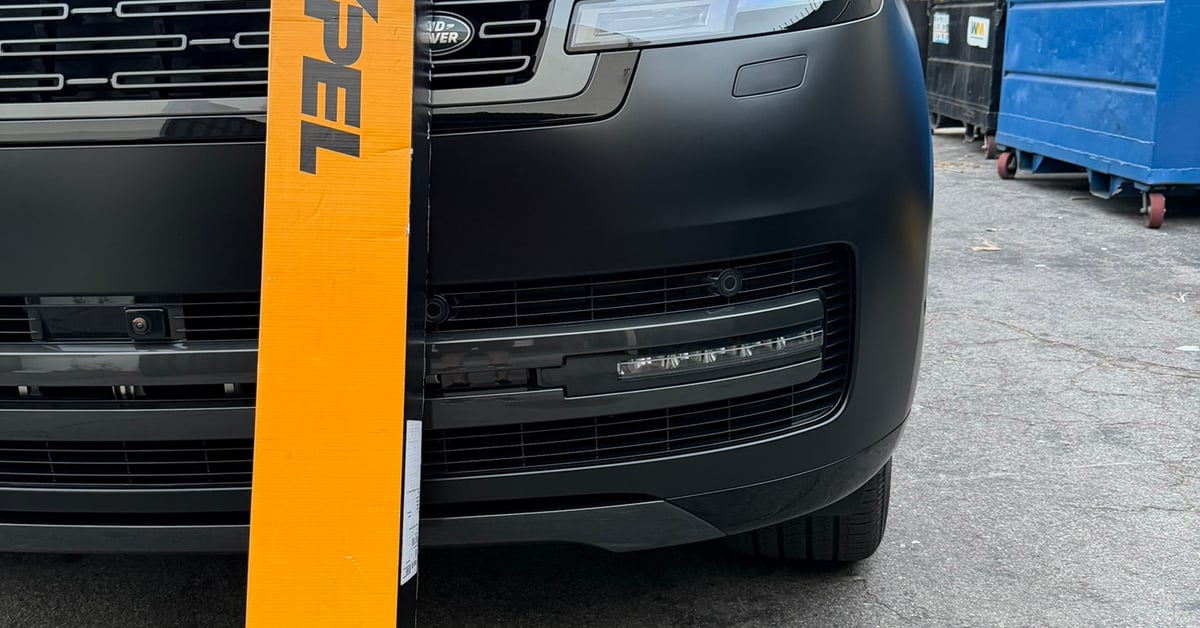
Range Rover XPEL Stealth PPF Installation Los Angeles
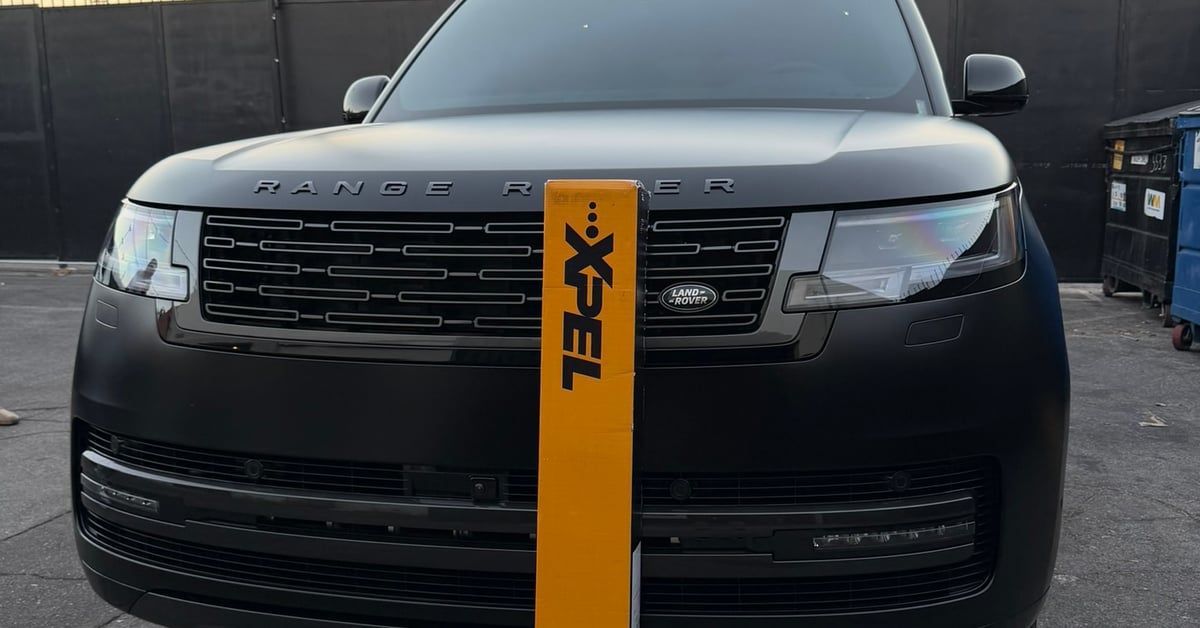
Matte Range Rover XPEL PPF Los Angeles
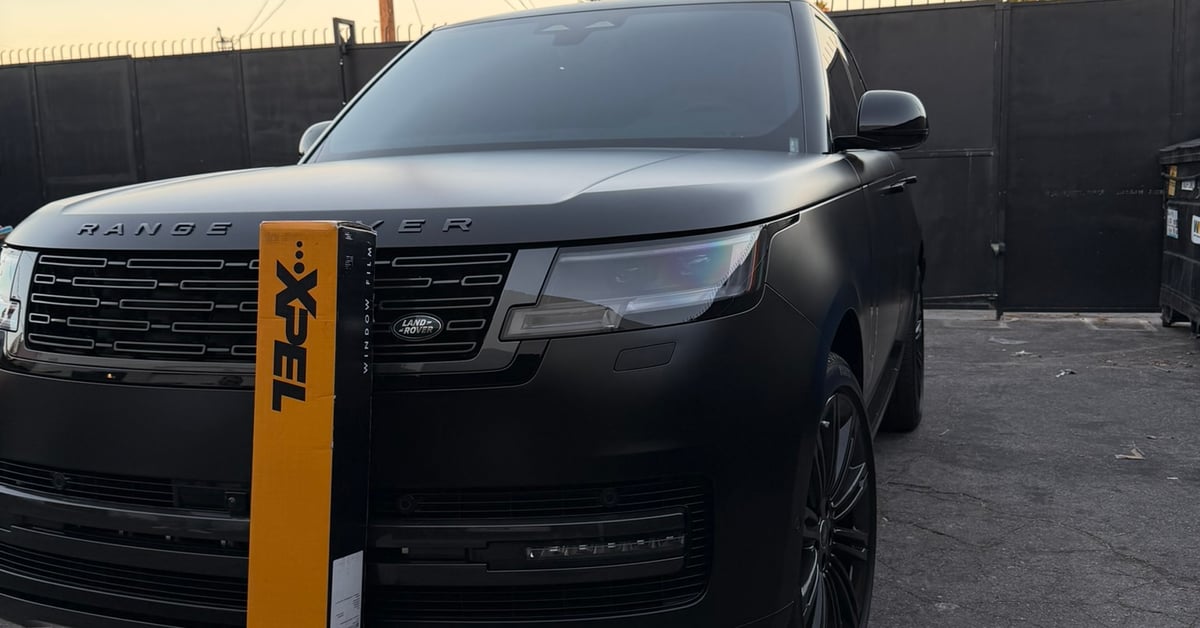
Matte Black Range Rover XPEL Tinting
What Our Customers Say
"Great experience with these guys! I came all the way from San Francisco on a friend’s recommendation, and it was 100% worth it. They completed the tinting quickly and with excellent quality - everything looks clean and professional. You can tell they really know what they’re doing. I truly appreciate the service and attention to detail. Definitely recommend!🤝🏻"
Рустам Кучуков
2026-04-19
"i had an amazing experience with Autograff Tints from start to finish. Arsen was professional, knowledgeable and took time to explain all my options so i could choose exactly what worked the best for my car. The installation was done with incredible attention to details - no bubbles, no imperfections - just a clean and flawless finish. If you are looking for high-quality window tinting and excellent customer service, i would highly recommend this place!"
Raimonda Karaleviciute
2026-04-02
"I've been looking for a reliable tint shop for a while now. I found Arsen on Yelp, and sure enough, he went above & beyond! My wife's new car not only looks great, but the quality & customer service Arsen provided is definitely unmatched! I know now where to go for all my tinting needs & where to refer all my friends & family!"
Andy Kazazian
2026-03-10
"Got some XPEL XR PLUS installed thanks to Arsen. He has the best pricing and took very good care of my car. Works from his garage that is immaculate. Tints came out amazing and service was top tier. He has a rental car for waiting clients I was blown away."
Jaegunther
2026-03-07
"Amazing work! He was professional and did a flawless tint job, no bubbles and perfect edges."
Anonym 037
2026-02-21
"Incredible work! I loved the expertise and attention to detail. Both of my cars had their windows tinted and protected the same day, and they even provided a loaner vehicle so I could get home while the service was being done. They took the time to understand my needs and recommended the best solution for me. Arsen is very knowledgeable, professional, and kind. The service went beyond my expectations. I will definitely use them again."
Jose Goncalves
2025-12-30
Ready to Experience the IR Tint Difference?
Frequently Asked Questions
1What exactly is IR rejection in window tint?
IR rejection refers to a window tint film's ability to block infrared radiation—the invisible heat rays that make up 57% of solar energy. These films use advanced ceramic nanoparticles layered throughout the material to reflect and absorb infrared wavelengths while remaining optically clear, allowing visible light through. The result is a dramatic reduction in cabin temperature and heat transfer into your vehicle.
2Is IR tint worth the extra money?
In Southern California's extreme heat, IR tint is absolutely worth the investment. Premium IR films cost $400-800 but deliver measurable ROI: fuel savings from reduced A/C load typically pay for the installation in 6-12 months, while interior protection and improved comfort provide lasting value. For electric vehicle owners, extended driving range from lower HVAC demand is a game-changer during long freeway stretches.
3Does IR tint also block UV rays?
Yes, quality IR tint blocks 99% of UV rays, protecting both your skin and vehicle interior from sun damage. This dual protection prevents leather cracking, dashboard fading, and reduces skin cancer risk—benefits that the Skin Cancer Foundation actively recommends. The UV blocking happens across the entire light spectrum, not just infrared wavelengths.
4Which tint blocks the most heat for my car?
Ceramic IR films deliver the highest heat rejection, with premium options achieving 80%+ Total Solar Energy Rejection (TSER) on rear and side windows. TSER ratings measure combined UV, visible light, and infrared rejection, giving you the full picture of a film's performance. Autograff Tint specializes in high-performance ceramic IR films that maximize heat rejection while maintaining visibility.
5Does IR film interfere with cell signals or GPS?
No—modern ceramic IR films are completely non-metallic, so they pose zero interference risk to cell signals, GPS, or wireless charging. Early metallic tint products caused these problems, but ceramic technology eliminated that issue entirely. You can safely enjoy maximum heat rejection without worrying about connectivity problems.
6Can I get IR rejection in a clear film?
Absolutely. High-performance clear IR films can achieve 50%+ TSER while maintaining 70%+ visible light transmission, making them windshield-compliant and fully legal in California. This precision engineering allows you to get aggressive heat rejection without the dark tint appearance, giving you maximum flexibility for your vehicle's front windows.
7How does IR tint help electric vehicles (EVs)?
IR tint dramatically improves EV range by reducing HVAC energy consumption, which is the single largest parasitic load on an EV battery. By blocking 50-80% of solar heat before it enters the cabin, you extend driving range by 5-15%—a meaningful difference on long drives. Lower cabin heat also reduces battery stress and improves charging efficiency.
8What is the difference between TSER and IR rejection?
TSER (Total Solar Energy Rejection) measures how much of the entire solar spectrum—UV (4%), visible light (39%), and infrared (57%)—a film rejects. IR rejection is a component of TSER, focusing specifically on infrared wavelengths. Understanding both metrics helps you compare films accurately: an 80% TSER film with strong IR focus will deliver more heat rejection than a 70% TSER film that emphasizes different wavelengths.
Still have questions?
We're here to help you find the answers.
Visit Our North Hollywood Shop
Conveniently located for the local area customers
Hours
Monday - Friday: 9am - 6pm
Saturday: 9am - 5pm
Sunday: Closed