Best Window Tint for Heat Reduction: A Southern California Guide
Ceramic IR films block up to 99% of heat. Compare film technologies and find the perfect tint for North Hollywood summers.
Top Rated Tints for Maximum Heat Rejection
When summer temperatures in the San Fernando Valley exceed 105°F, your choice of window tint becomes critical to interior comfort and vehicle longevity. Ceramic IR (infrared) technology represents the pinnacle of heat-rejection film engineering, using advanced nano-ceramic particles to block the invisible infrared spectrum while maintaining crystal-clear visibility.
Why Ceramic IR Is Essential for SFV Climate
Ceramic IR films excel where traditional dyed or metallic films fall short. Unlike metallic films that interfere with phone and GPS signals, ceramic films use no metal particles. Unlike dyed films that fade and purple within 3–5 years, ceramic technology resists degradation for a full decade. The nano-ceramic particle structure absorbs and reflects infrared energy before it crosses the window barrier, keeping your cabin up to 25°F cooler than an untinted vehicle.
TSER: The Heat Rejection Standard
TSER (Total Solar Energy Rejection) is the industry metric for comparing heat rejection across film types. Premium ceramic films achieve 98–99% TSER, meaning nearly all solar heat energy is blocked before entering your vehicle. Carbon-hybrid films deliver 80–85% TSER, while traditional dyed films offer only 40–60%. This 35–58% difference directly translates to measurable cabin temperature reductions and A/C load savings throughout long Southern California summers.
Nano-Ceramic Particles: UV Protection
The nano-ceramic particle matrix blocks 99% of UV radiation, protecting your skin from sun damage and skin cancer risk during daily driving. Beyond personal health, this UV blockage preserves your vehicle's interior—preventing dashboard cracking, seat fading, and trim discoloration that reduce resale value. Premium ceramic films maintain this UV protection for 10+ years without degradation.
Reduced A/C Load and EV Range Gains
Lower interior temperatures directly reduce air-conditioning demand, extending vehicle range and fuel economy. Studies show 15–25°F cabin temperature reductions on 100°F+ days with quality ceramic tint. For electric vehicle owners, this translates to 5–10% increased driving range since A/C is one of the largest battery drains. Traditional fuel vehicles benefit from improved fuel economy and reduced strain on cooling systems during extreme heat periods.
Ceramic IR vs. Traditional Tint: The Science of Cool
Not all tint films perform equally. Understanding the technical differences between ceramic, carbon, metallic, and dyed films empowers you to choose the right solution for your climate and budget.
Infrared vs. Visible Light: Two Different Spectrums
Sunlight consists of visible light (the spectrum you see) and infrared radiation (the spectrum you feel as heat). Traditional tint technology treats these spectrums identically—blocking both equally. This forces a trade-off: to reduce heat significantly, you must darken the tint, which sacrifices visibility. Ceramic IR technology breaks this constraint by targeting infrared specifically. A 20% ceramic film blocks more heat than a 50% dyed film because ceramic particles preferentially absorb and reflect infrared while transmitting normal visible light.
Dark Tint Doesn't Mean Better Heat Rejection
Darkness percentage measures visible light transmission, not heat rejection. A dyed film's darkness comes from absorbing light uniformly—it absorbs heat energy at the same rate as visible light. Darker dyed films produce darker cabins, not cooler ones. Clear ceramic films, conversely, transmit 99% of visible light while blocking 98% of infrared heat. The cabin remains bright and visible while staying cool—a combination impossible with traditional dyed technology.
Clear Ceramic Films for Windshield Heat Protection
California law prohibits dark tint on windshields, requiring full visibility from the driver seat. Clear ceramic windshield films solve this constraint by delivering 80%+ infrared rejection while remaining optically transparent. These films protect your dashboard from sun damage and heat buildup without compromising visibility, creating a legal solution to windshield heat rejection.
Premium Film Specifications: 98% Infrared Rejection
Top-tier ceramic films achieve TSER ratings of 98–99%, blocking nearly all solar heat energy. These films combine advanced nano-ceramic particle technology with multi-layer engineering to maximize infrared absorption while maintaining optical clarity and durability. Lifetime performance warranties (10–15 years) and fade resistance guarantee consistent heat rejection throughout the film's lifespan.
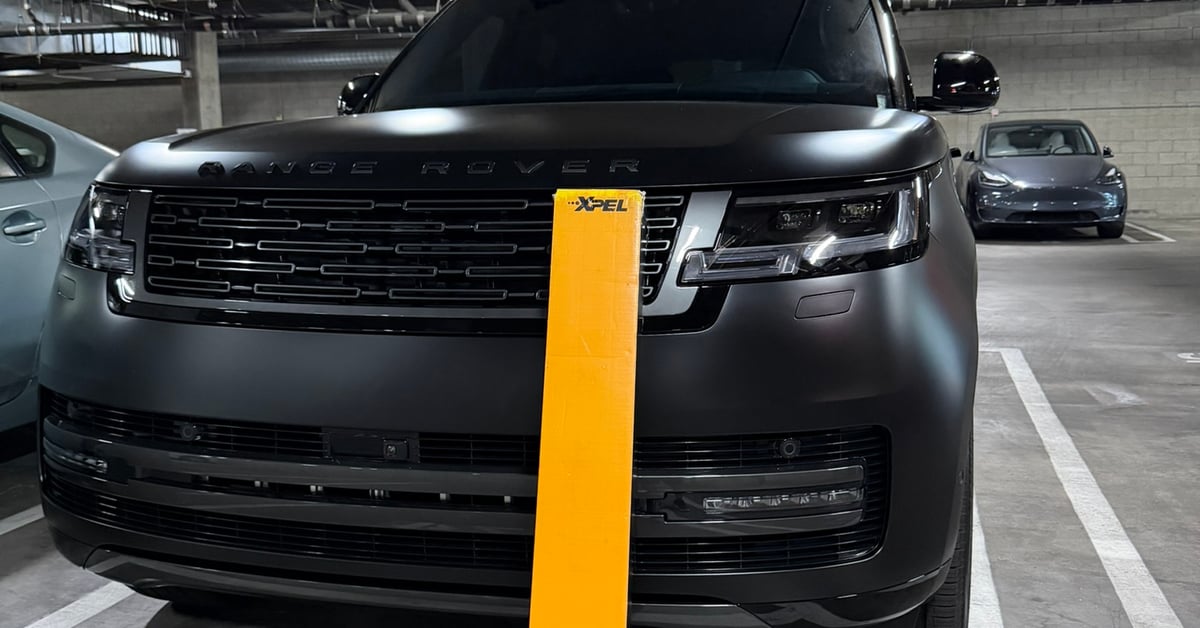
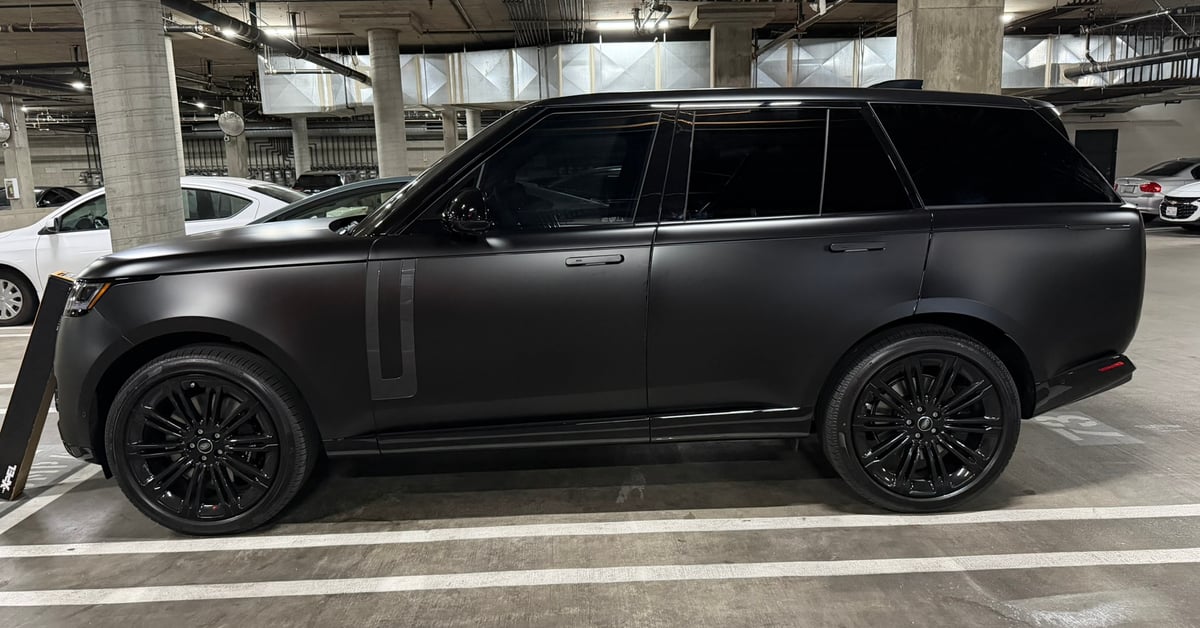
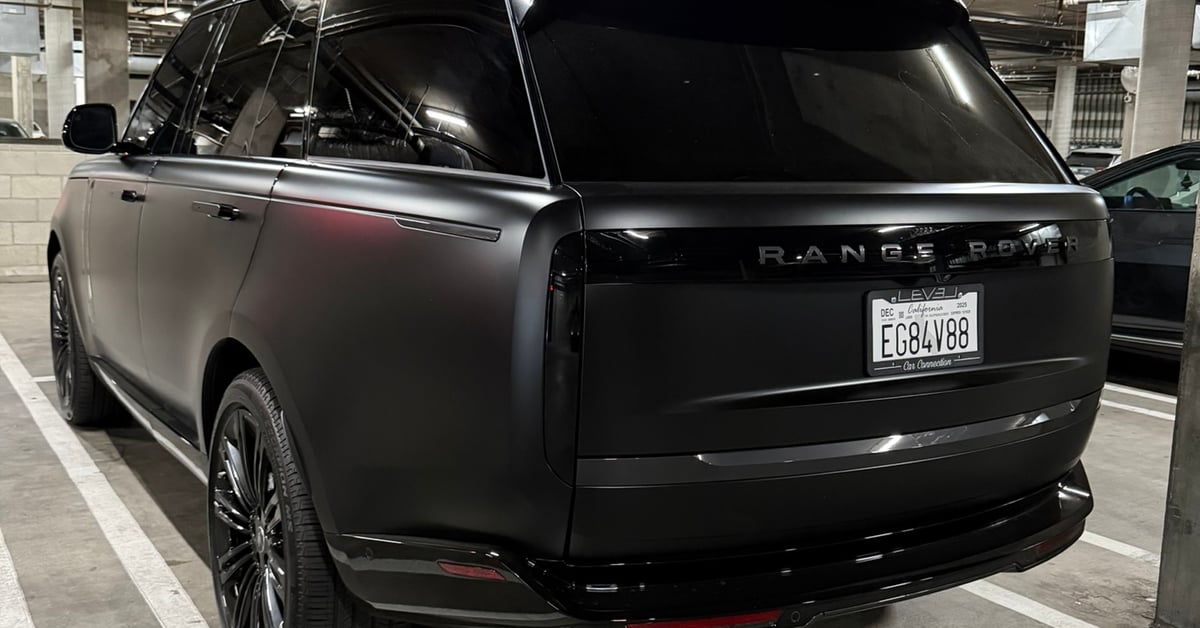
Our Heat Rejection Tint Work
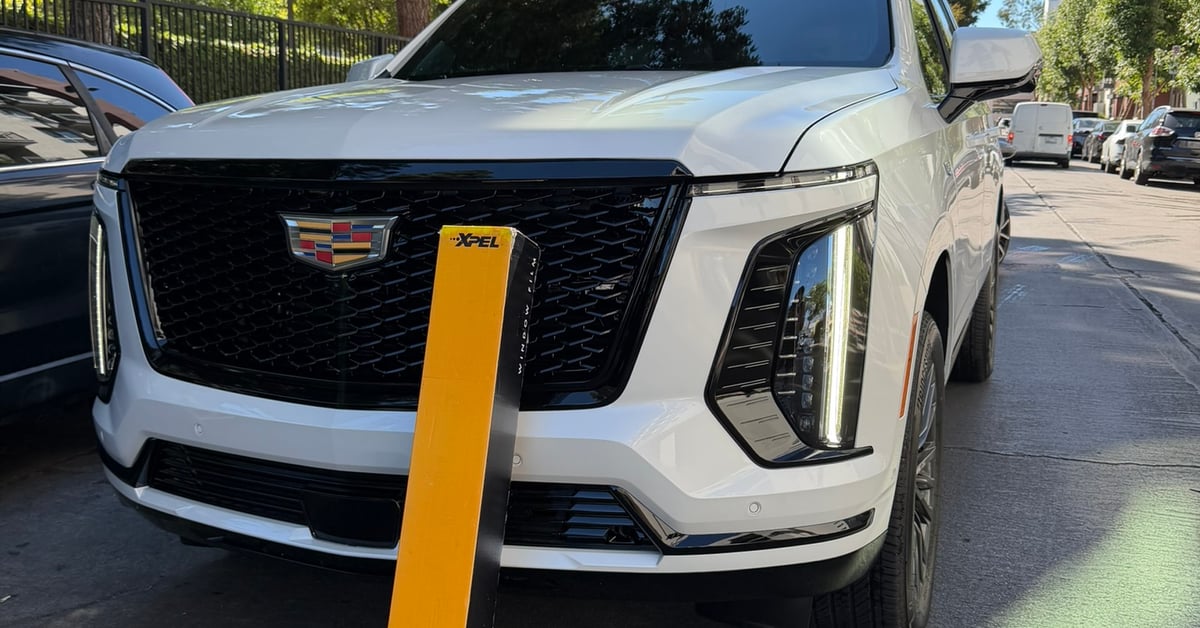
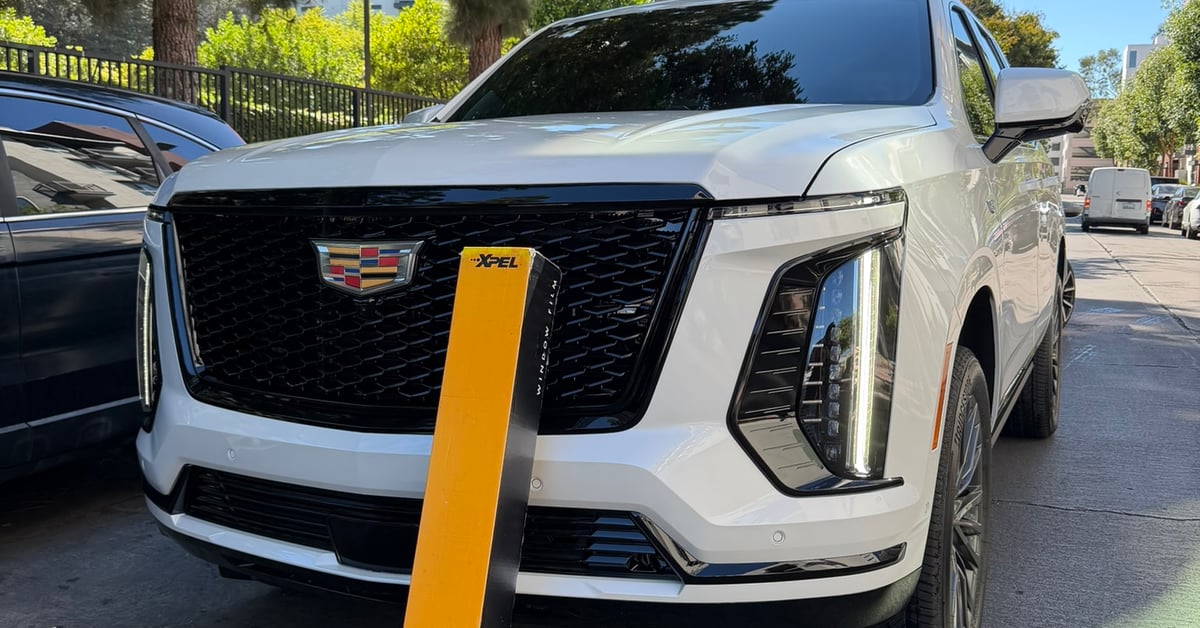
Expert installations across North Hollywood, Burbank, and the San Fernando Valley

What Customers Say About Our Tint Service
"Great experience with these guys! I came all the way from San Francisco on a friend’s recommendation, and it was 100% worth it. They completed the tinting quickly and with excellent quality - everything looks clean and professional. You can tell they really know what they’re doing. I truly appreciate the service and attention to detail. Definitely recommend!🤝🏻"
Рустам Кучуков
2026-04-19
"i had an amazing experience with Autograff Tints from start to finish. Arsen was professional, knowledgeable and took time to explain all my options so i could choose exactly what worked the best for my car. The installation was done with incredible attention to details - no bubbles, no imperfections - just a clean and flawless finish. If you are looking for high-quality window tinting and excellent customer service, i would highly recommend this place!"
Raimonda Karaleviciute
2026-04-02
"I've been looking for a reliable tint shop for a while now. I found Arsen on Yelp, and sure enough, he went above & beyond! My wife's new car not only looks great, but the quality & customer service Arsen provided is definitely unmatched! I know now where to go for all my tinting needs & where to refer all my friends & family!"
Andy Kazazian
2026-03-10
"Got some XPEL XR PLUS installed thanks to Arsen. He has the best pricing and took very good care of my car. Works from his garage that is immaculate. Tints came out amazing and service was top tier. He has a rental car for waiting clients I was blown away."
Jaegunther
2026-03-07
"Amazing work! He was professional and did a flawless tint job, no bubbles and perfect edges."
Anonym 037
2026-02-21
"Incredible work! I loved the expertise and attention to detail. Both of my cars had their windows tinted and protected the same day, and they even provided a loaner vehicle so I could get home while the service was being done. They took the time to understand my needs and recommended the best solution for me. Arsen is very knowledgeable, professional, and kind. The service went beyond my expectations. I will definitely use them again."
Jose Goncalves
2025-12-30
Heat Rejection Tint Questions
Everything you need to know about ceramic IR films and keeping your car cool
1Which tint blocks the most heat?
Ceramic IR films with multi-layer nano-particle technology deliver the highest heat rejection ratings. These premium films achieve TSER (Total Solar Energy Rejection) percentages of 98–99%, blocking nearly all infrared radiation that causes cabin heat buildup. Unlike traditional dyed or metallic films, ceramic technology uses advanced nano-ceramic particles that reflect and absorb heat energy without reducing visible light transmission or causing signal interference.
2Does darker tint block more heat?
Not necessarily. This is a common misconception. Heat rejection depends on film composition, not shade darkness. A 20% dark ceramic film often blocks more heat than a 50% dark traditional dyed film because the material science matters far more than the tint percentage. A clear ceramic windshield tint blocks significant heat while maintaining full visibility. Darkening a film only increases privacy and reduces glare, but doesn't improve IR rejection if the underlying material is inferior.
3Is ceramic tint worth the extra cost for heat?
Absolutely, especially in Southern California's extreme heat. Ceramic tint costs 2–3× more than dyed film but delivers measurable benefits: cabin temperatures stay 15–25°F cooler on 100°F+ days, reducing A/C strain, fuel consumption, and wear on your vehicle's cooling system. For electric vehicles, lower cabin temperatures directly extend driving range. The durability advantage is equally important—ceramic films resist fading and degradation for 10+ years, while budget dyed films often purple or fail within 3–5 years.
4What is infrared (IR) rejection in tint?
Infrared radiation is the invisible heat spectrum of sunlight, distinct from visible light. While you can see visible light rays, you feel infrared rays as heat—the 'burn' sensation on your skin. Infrared rejection measures how much of this heat energy a film blocks before it enters your cabin. Premium ceramic films reject 98–99% of IR radiation while transmitting normal visible light, creating comfortable interiors and protecting your car's interior from sun damage.
5Can I tint my windshield for heat reduction?
Yes, with clear ceramic films. Federal law allows clear or lightly tinted windshield coatings that maintain full visibility from the driver's perspective. Clear ceramic windshield tints block 80%+ of infrared heat while keeping the windshield fully transparent, protecting your dashboard from sun damage and reducing interior heat load. You cannot use dark privacy tint on windshields in California; windshield tinting must not reduce forward visibility below legal standards.
6How much does ceramic heat rejection tint cost?
Premium ceramic heat rejection tint typically costs $300–600 for a sedan and $600–1200 for SUVs, depending on number of windows and film brand. While this is 2–3× the cost of traditional dyed film ($100–200 for a sedan), the lifetime value justifies the investment through extended durability (10+ years), fuel savings from reduced A/C load, and protection of your interior. Financing options and package deals are often available.
7Does tint protect against UV rays?
Yes. All quality tint films, including ceramic and traditional types, block 99% of UV radiation. UV protection prevents skin damage and skin cancer risk from sun exposure through car windows, protects your interior upholstery and dashboard from fading, and preserves the resale value of your vehicle by keeping seats and trim looking newer longer. This UV-blocking benefit applies even to light tints and clear ceramic films.
8How does tint improve EV range?
Electric vehicles lose range when A/C usage drains the battery. Ceramic heat rejection tint keeps cabin temperatures 15–25°F cooler without A/C, reducing battery draw from climate control. Studies show EV drivers gain 5–10% additional range on hot days with quality ceramic tint installed, directly extending your driving distance between charges and reducing charging frequency costs.
Still have questions?
We're here to help you find the answers.
Ready to Beat the Heat?
Visit Autograff Tint for Professional InstallationNorth Hollywood
Same-day appointments available for most vehicles
Hours
Monday - Friday: 9am - 6pm
Saturday: 9am - 5pm
Sunday: Closed