The Real Lifespan of Vinyl Wraps in Southern California
Understanding vinyl wrap longevity is essential for budgeting your vehicle branding investment. Premium vinyl wraps typically last between 3-7 years, with most reaching optimal performance through year 5. The variation depends heavily on environmental factors, material quality, and how well you maintain your wrap.
In North Hollywood and the broader Los Angeles area, the intense California sun accelerates vinyl degradation compared to cooler climates. The region's high UV index and consistently warm temperatures break down vinyl pigments more rapidly than in temperate zones. Research shows that UV exposure alone accounts for approximately 60% of vinyl wrap degradation in Southern California.
Surface orientation plays a crucial role in longevity. Horizontal surfaces like your vehicle's roof and hood receive concentrated, direct sunlight throughout the day, causing them to age faster than vertical surfaces like doors and fenders. Professional installers at Autograff Tint often recommend prioritizing horizontal areas for ceramic protective coatings to extend their lifespan by 2-3 years.
Watch for these signs of aging: gradual fading or color shift, especially on south-facing surfaces; small cracks or stress lines appearing at corners and edges; browning or yellowing of lighter colors; and edge lifting where the vinyl begins to peel away from your vehicle's surface. Catching these early and addressing them with professional care prevents widespread failure.
Maximizing Your Wrap's Durability
The difference between a wrap that lasts 3 years and one that lasts 7 years often comes down to maintenance and protective measures. Strategic investments in the first few months can dramatically extend your wrap's functional lifespan.
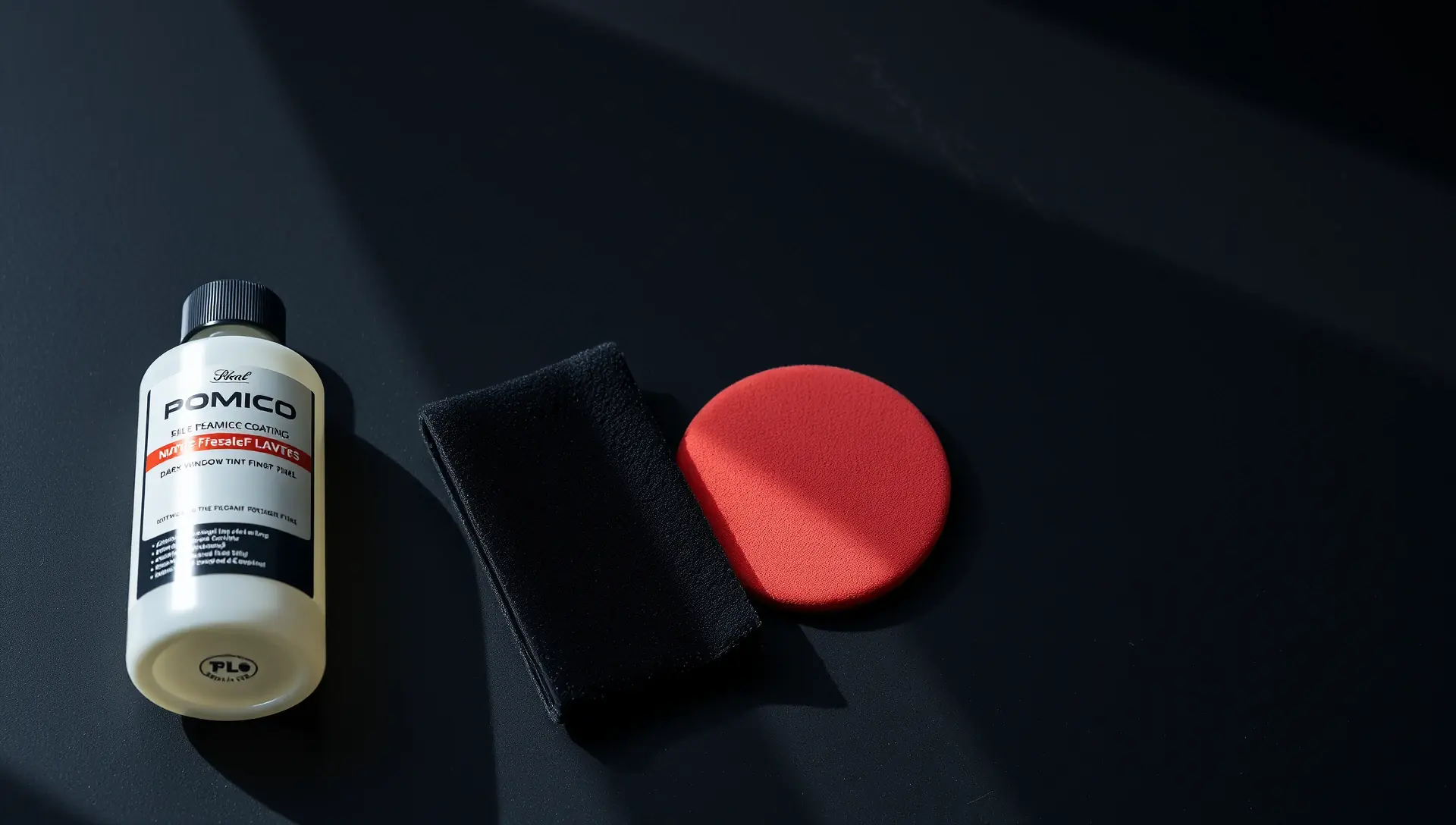
Applying a ceramic protective coating over your vinyl wrap creates an additional barrier against UV rays and environmental contaminants. Ceramic coatings designed specifically for vinyl (not traditional paint sealants) bond to the wrap's surface and provide hydrophobic properties while blocking up to 85% of harmful UV radiation. This single step can add 2-3 years to your wrap's life, especially on horizontal surfaces.
Your washing routine directly impacts wrap longevity. Hand washing with soft brushes and specialized vinyl-safe soap prevents the micro-abrasions that occur with automated brush washes. High-pressure washers, common at self-service bays, force water under wrap edges and trigger lifting and peeling. Touchless automated systems are acceptable if you must use them, but hand washing remains the gold standard.
Parking location matters significantly. In Studio City and other North Hollywood areas, vehicles parked in garages consistently outlast those exposed to street parking. Even partial shade—from carports or covered parking—noticeably slows UV degradation. If full garage parking isn't possible, seek covered parking whenever feasible, especially during the intense summer months when UV index peaks.
Professional removal after the 5-year mark is critical for paint preservation. Waiting until year 7-8 risks permanent adhesive bonding that can remove clear coat and damage your factory finish during removal. Professional removal costs $300-600 but prevents thousands in paint restoration. Protecting your underlying paint is essential for vehicle resale value.
Key Takeaways
- 1 Premium vinyl wraps last 5-7 years in Southern California, with horizontal surfaces aging faster due to intense UV exposure.
- 2 Ceramic protective coatings add 2-3 years of lifespan by blocking UV rays—a worthwhile investment for long-term durability.
- 3 Hand washing and garage parking significantly extend wrap life compared to automated washes and street exposure.
- 4 Professional removal before year 7 prevents permanent adhesive bonding and protects your vehicle's factory finish.