Ceramic Coating vs. Wax: The Real Difference
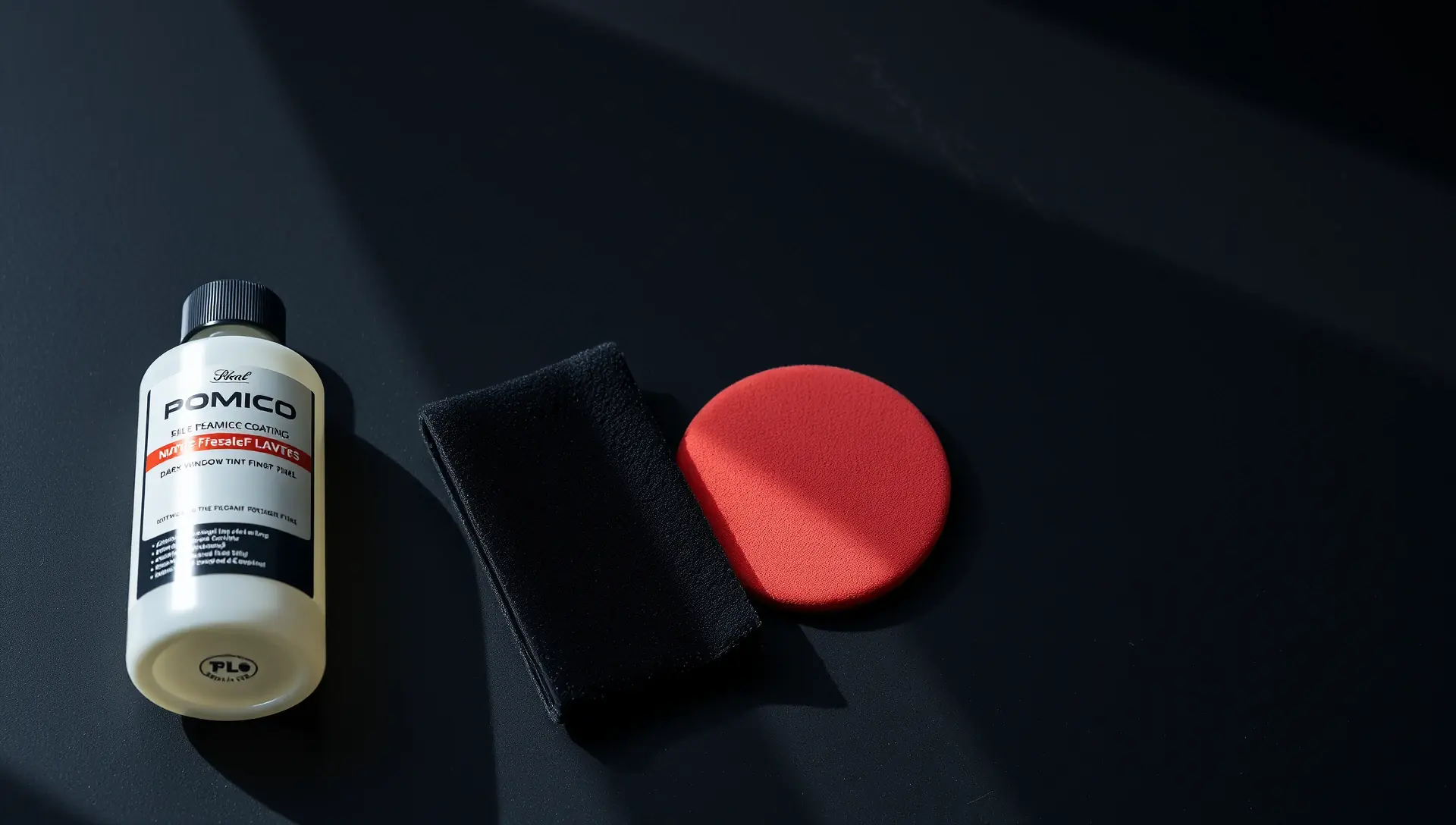
The fundamental difference between ceramic coating and traditional wax lies in how they protect your paint. Traditional carnauba wax sits on the surface of your clear coat, providing a temporary hydrophobic barrier that breaks down with UV exposure and washing. Professional ceramic coatings, by contrast, form a permanent molecular bond with your paint's clear coat, creating a protective layer that lasts years, not months.
This difference matters most in North Hollywood's challenging climate. The intense UV exposure from San Fernando Valley sun, combined with dust, industrial fallout, and coastal salt spray, breaks down traditional wax in weeks. A quality ceramic coating maintains its hydrophobic properties throughout the year, making your car dramatically easier to clean—water beads and rolls off instead of pooling on the surface.
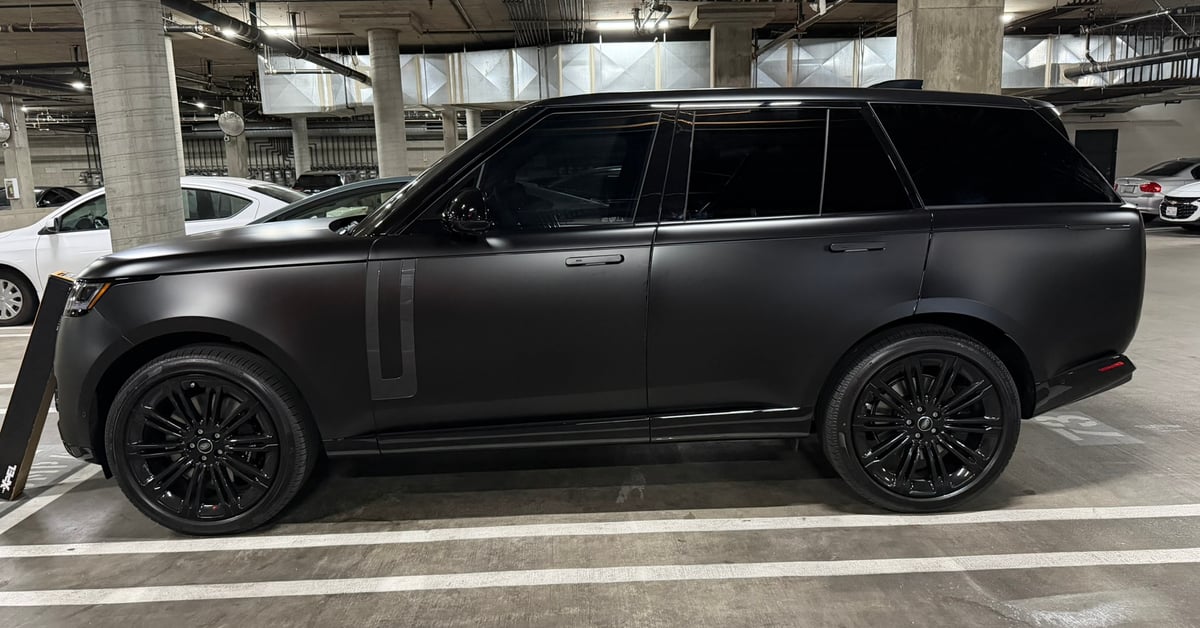
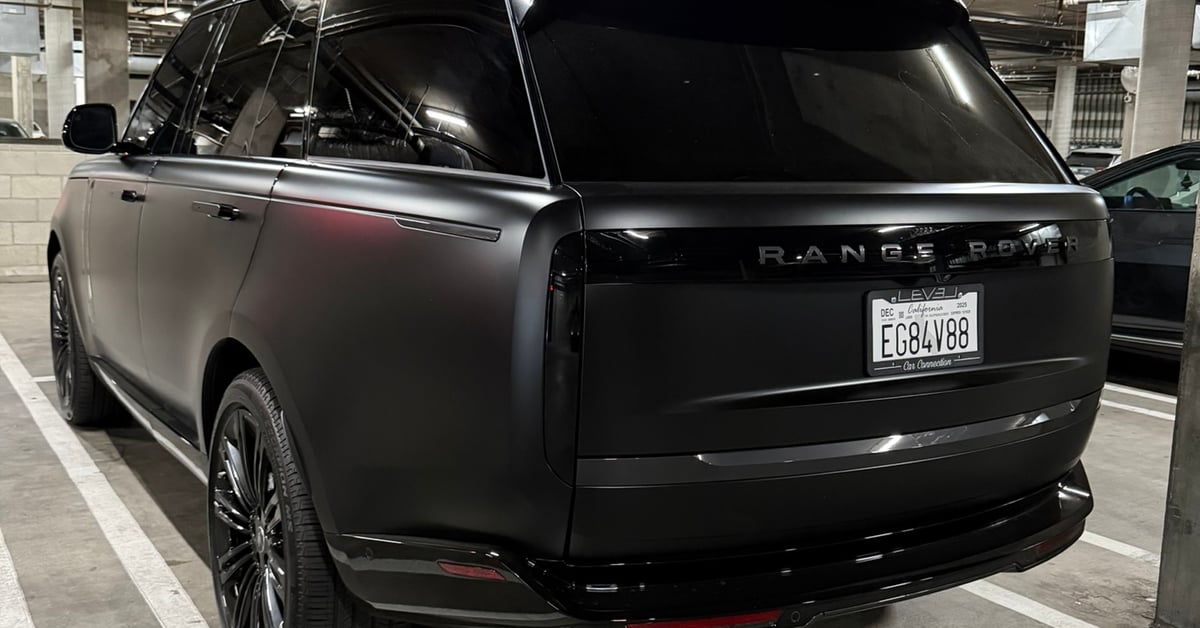
Beyond hydrophobic protection, ceramic coatings provide chemical resistance against bird droppings, tree sap, mineral deposits, and road salt that would otherwise etch your clear coat. The glass-like finish also enhances color depth and gloss, making paint look richer and more vibrant. Most professional ceramic coatings are semi-permanent, lasting 5-10 years with proper maintenance, making them far superior to wax for long-term protection.
The ROI of Professional Surface Protection
Evaluating ceramic coating's value requires looking beyond the initial cost. A professional ceramic coating application typically costs $800-$2,500 depending on vehicle size and paint condition, but delivers returns that justify the investment over time.
Labor Savings: Owners report spending 50-70% less time washing and detailing vehicles with ceramic coating. Hand-washing without coating takes 45 minutes; with coating, 15 minutes. Over five years, that's 40+ hours saved. For busy professionals in North Hollywood, that time savings alone justifies the investment.
Paint Preservation and Resale Value: Unprotected paint oxidizes, fades, and develops swirl marks that reduce resale value. A ceramic-coated vehicle maintains its original paint finish, preserving the aesthetic and structural integrity that buyers value. Luxury and exotic vehicle owners especially benefit—maintaining pristine paint directly correlates to higher resale prices.
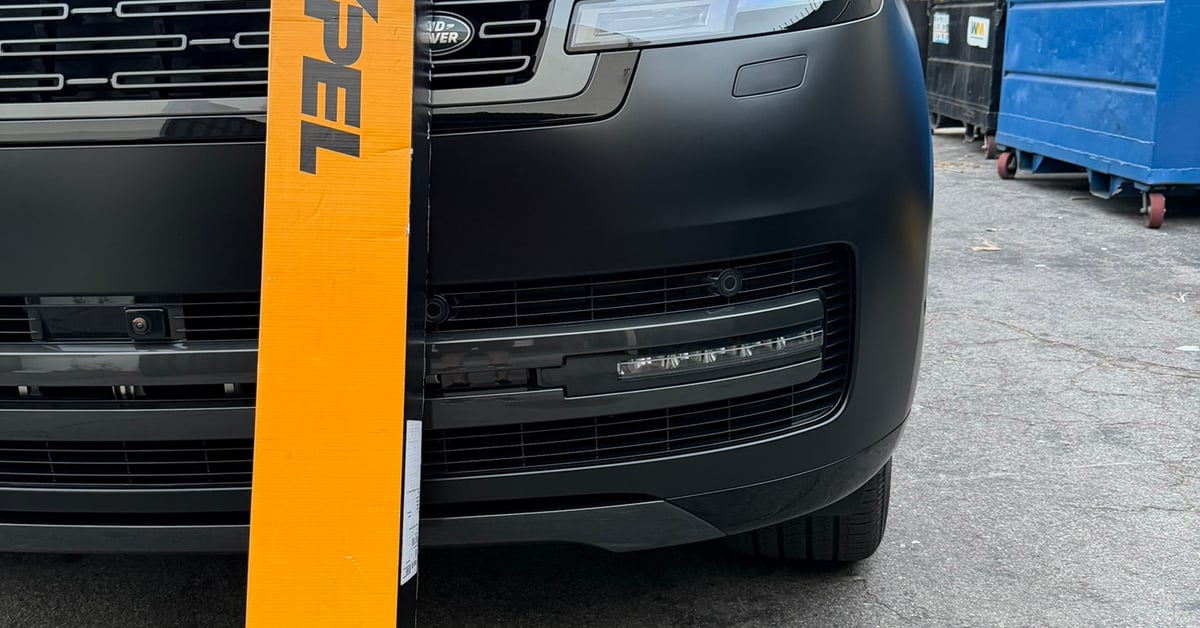
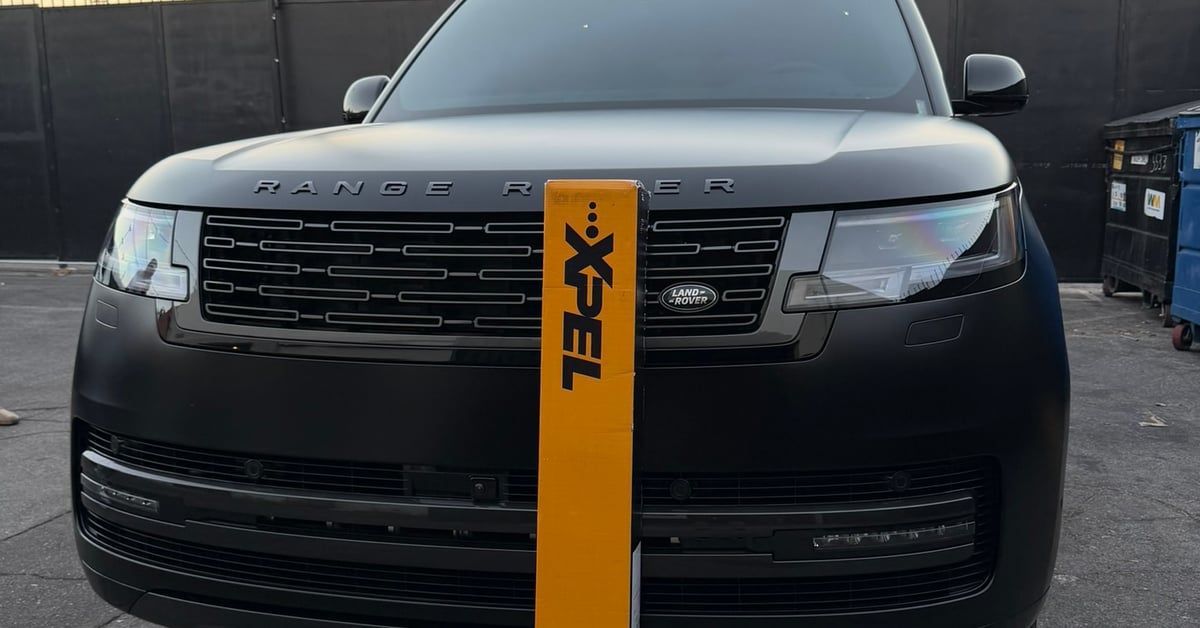
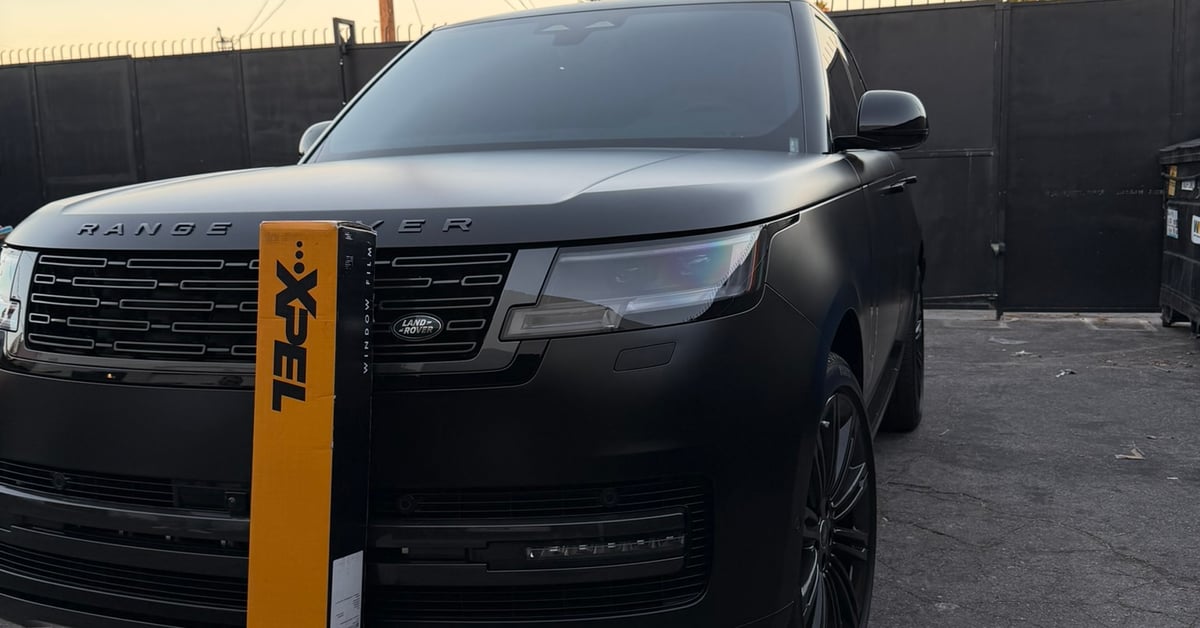
Preventing Damage: A common misconception is that ceramic coating prevents scratches. It doesn't—but it does prevent swirl marks, water spots, and stains that make paint look dull and worn. For scratches and chips, we recommend Spray PPF for your hood, bumper, and fender. Ceramic coating and PPF work together: PPF provides mechanical protection while ceramic coating protects the rest of your paint.
The key to maximizing ceramic coating's ROI is proper preparation. Paint correction before application ensures the coating bonds perfectly to undamaged clear coat, extending its lifespan. Vehicles with poor paint condition require additional correction work, which is why we always inspect your car's condition before quoting.
Bottom line: For daily drivers in North Hollywood where sun exposure and dust accelerate paint aging, ceramic coating typically pays for itself through labor savings, reduced maintenance costs, and preserved resale value within 3-5 years. For luxury, exotic, or collector vehicles, the investment is even clearer—you're preserving thousands of dollars in paint quality and appearance.