Heat Rejection Window Tint: IR vs TSER Explained
Block up to 98% of heat from your vehicle with XPEL Prime XR Plus films, essential for 100°F+ Santa Clarita summers.
See the Specs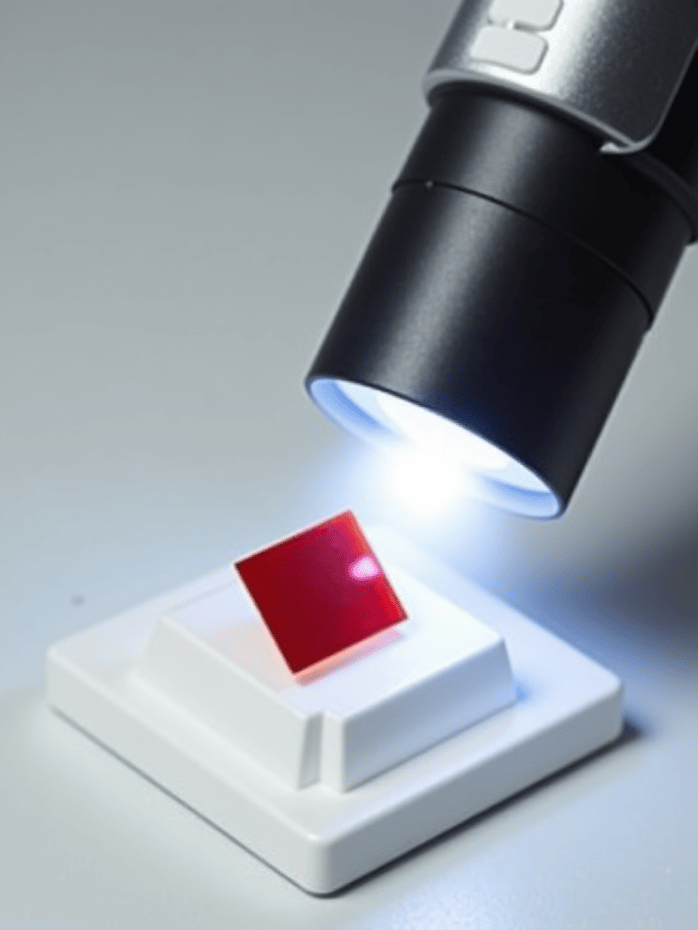


The Science of Infrared (IR) Rejection: Understanding XPEL's Superior Heat Blocking
Why Infrared Rejection Matters for Your Vehicle
When you feel that intense 'burning' sensation on your skin inside a hot vehicle, you're experiencing the effects of infrared (IR) light. While visible light allows us to see and UV light causes skin damage, it's the infrared spectrum that's primarily responsible for the heat you feel. Traditional window tints often block visible light and some UV rays, but they frequently fall short in effectively rejecting infrared heat.
This is where advanced ceramic tinting technology, like XPEL Prime XR Plus, truly stands out. Our premium ceramic films are engineered to specifically target and block a significant portion of the infrared light spectrum, radically transforming your driving comfort.
XPEL Prime XR Plus: Industry-Leading IR Rejection
Autograff Mobile Tint proudly installs XPEL Prime XR Plus, a ceramic window tint that leads the industry with an astonishing 98% infrared heat rejection. This superior performance is achieved through a proprietary blend of ceramic particles that do not interfere with cellular, radio, or Bluetooth signals, unlike metallic tint alternatives.
By blocking nearly all incoming infrared rays, XPEL Prime XR Plus ensures a dramatically cooler interior, reducing the need for constant air conditioning, especially in hot climates like Santa Clarita and Encino.
Benefits for EV Owners: Protecting Your Tesla's Range
- Extended Battery Range: For electric vehicle owners, particularly those with Teslas in Santa Clarita and Encino, the benefits of high infrared rejection tint are even more pronounced. Reducing the load on your vehicle's air conditioning system directly translates to preserving battery range.
- Enhanced Comfort: A cooler cabin enhances driver and passenger comfort, making long commutes or summer drives much more pleasant without draining your EV's power.
- Reduced Wear and Tear: Less reliance on your A/C system can also contribute to longer lifespan and fewer maintenance issues for your vehicle's cooling components.
Experience the difference with ceramic tint IR rejection from Autograff Mobile Tint. We provide both mobile and shop-based installations, bringing this cutting-edge technology directly to luxury vehicle owners and EV enthusiasts alike.




Understanding TSER: The True Metric of Performance
When evaluating car window tint for heat rejection, you'll often see numbers like IR rejection, but the most comprehensive and critical metric is TSER (Total Solar Energy Rejected). While Infrared (IR) rejection focuses on just one part of the solar spectrum, TSER provides the complete picture. This score combines Ultraviolet (UV), Visible Light, and Infrared (IR) energy rejection into a single, understandable percentage.
-
Why TSER Matters More
A high TSER percentage directly correlates to a cooler vehicle interior, as it accounts for all forms of solar energy that contribute to heat buildup. When you want to effectively reduce cabin temperature and improve comfort, especially with heat rejection window tint, TSER is the figure to look for in film specification sheets.
-
Reading Film Spec Sheets
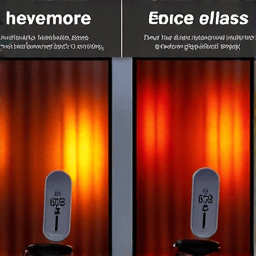
Don't be misled by impressive IR numbers alone. Always compare the TSER rating when choosing your window film. For superior XPEL Prime XR Plus Ceramic Tint, we conduct in-shop IR heat lamp demonstrations to show you first-hand how our films perform. Understanding what is TSER in window tint ensures you invest in true, lasting comfort and protection.
Verified Heat Rejection Metrics
At Autograff Mobile Tint in Santa Clarita, we stand by the performance specifications of XPEL Prime XR Plus films. Our in-shop tests and manufacturer data confirm superior heat rejection for your vehicle.
- 98% Infrared Heat Rejection
- 99% UV Ray Protection
- 71% Total Solar Energy Rejected
- 99% Heat Rejection with XPEL Tint
- 99.9% UV Protection
- 10 Years Warranty

Frequently Asked Questions About Heat Rejection
-
TSER, or Total Solar Energy Rejected, is a crucial metric for evaluating a window tint's performance. It represents the total percentage of solar energy, including visible light, infrared (IR), and ultraviolet (UV) rays, that is blocked by the film. A higher TSER value means more heat rejection, leading to a cooler vehicle interior, reduced strain on your AC, and improved fuel efficiency. For example, XPEL Prime XR Plus offers a TSER of up to 68% on some shades, significantly outperforming conventional tints.
-
Absolutely. Modern clear and light-shade window tints, like XPEL Prime XR Plus 70% or 80%, are engineered with advanced multi-layer nano-ceramic technology to block a significant amount of heat without darkening your windows. These films can reject up to 98% of infrared heat, providing superior thermal comfort and UV protection while maintaining maximum visibility and adhering to stricter window tint laws. They're an excellent solution for those who want clear windows but still need high-performance heat rejection.
-
IR rejection specifically measures how much infrared radiation (the primary cause of heat in a car) a tint blocks, while TSER (Total Solar Energy Rejected) provides a more comprehensive measure by accounting for all parts of the solar spectrum – visible light, IR, and UV. A tint can have high IR rejection but a lower TSER if it doesn't block enough visible light or UV. For true thermal comfort, both high IR rejection and a strong TSER percentage are vital, as offered by XPEL ceramic films.
-
Window tints with high TSER values, particularly ceramic tints like XPEL Prime XR Plus, are designed to block almost 100% of harmful UVA and UVB rays. These films incorporate advanced UV inhibitors within their multi-layer construction, effectively acting as a protective barrier for your car's interior. This not only prevents cracking, fading, and discoloration of upholstery, dashboards, and other surfaces but also offers superior skin protection for occupants from sun damage and premature aging.
-
Yes, high-performance window tint can positively impact your EV's range. By significantly reducing the amount of heat entering your vehicle (thanks to high TSER and IR rejection), the air conditioning system doesn't have to work as hard to maintain a comfortable temperature. This reduction in AC usage, especially during warmer months, directly translates into less energy consumption from your EV's battery, thereby extending your driving range and enhancing overall efficiency.
-
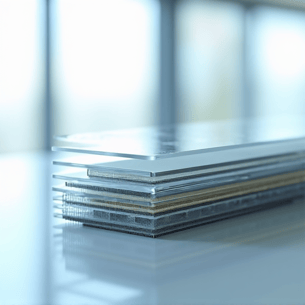
Multi-layer nano-ceramic technology, found in premium tints like XPEL Prime XR Plus, uses microscopic ceramic particles embedded in multiple film layers. These particles are non-metallic, ensuring no interference with electronic signals (GPS, cell service). Their unique structure allows them to selectively block infrared and UV radiation while permitting visible light. This advanced construction maximizes heat rejection and UV protection, providing superior cabin comfort and protecting interiors, all without compromising signal clarity or visibility.
Experience the Superior Difference in Our Shop!